
김창열 Kim Tschang Yeul ― 물방울에 담긴 존재의 철학
이름: 김창열 (金昌烈, Kim Tschang-Yeul)
출생: 1929년 평안남도 마안
사망: 2021년 제주
학력: 서울대학교 미술대학 중퇴
활동지: 서울, 뉴욕, 파리 등
소속: 국립현대미술관, 퐁피두센터, 요코하마미술관 등 주요 미술관에 작품 소장
한국 현대미술을 대표하는 김창열은 ‘물방울 화가’라는 수식어로 널리 알려져 있습니다. 하지만 그의 물방울은 단순한 시각적 기교가 아니라, 고통과 치유, 사유와 존재의 깊이를 담아낸 예술적 수행의 결과물입니다.
물방울을 그리게 된 이야기
“지우고 싶은 마음이 물방울이 되었다.”
1970년대 초, 뉴욕을 떠나 파리에 머물던 김창열은 정체성과 예술적 방향에 대한 깊은 번민에 빠져 있었습니다. 한국전쟁의 기억, 이방인으로서의 외로움, 예술적 불안은 그의 정신을 무겁게 짓눌렀습니다.
어느 날, 물 위에 번지는 잉크를 바라보다가 그는 “모든 것을 씻어내고 싶다. 지우고 싶다.”라는 마음을 품게 되었고, 그 순간 물방울이 그의 회화 속에 등장하기 시작했습니다. 물방울은 단순한 이미지가 아니라, 삶의 고통을 정화하고 견디게 해준 수행의 장치가 되었습니다.
예술 세계
- 물방울의 미학
김창열의 물방울은 실재하지 않지만, 마치 유리알처럼 화면 위에 맺혀 있습니다. 이는 존재와 비존재, 실재와 환영의 경계를 탐구하는 장치로 기능합니다. - 반복과 침묵
그는 평생 물방울만을 반복해 그렸습니다. “그리는 행위 자체가 나를 가라앉히는 수행이었다”라는 그의 말처럼, 회화는 표현이 아니라 내면을 다스리는 과정이었습니다. - 한자와 물방울
고문자나 한자 텍스트 위에 물방울이 놓인 작품들은 마치 시간을 지우는 듯하면서도, 언어와 기억 위에 다시 존재를 새겨 넣는 행위로 읽힙니다.
직접 본 작품에서의 감상
물방울 시리즈는 워낙 유명해서 온라인 콘텐츠나 책으로 자주 접했지만, 실제로 마주한 작품은 전혀 다른 감각을 주었습니다. 거대한 캔버스 위에 맺힌 물방울은 당장이라도 또르르 흘러내릴 듯 생생했고, 묵직하면서도 투명한 그 물방울 안에 제 마음이 투영되는 듯한 경험을 했습니다.
특히 작가의 활동 시기별로 조금씩 달라지는 물방울의 표정은 또 다른 감상 포인트였습니다. 작품이 걸린 갤러리의 분위기, 감상하는 시간대와 날씨에 따라서도 물방울은 신비롭게 달라 보였습니다.
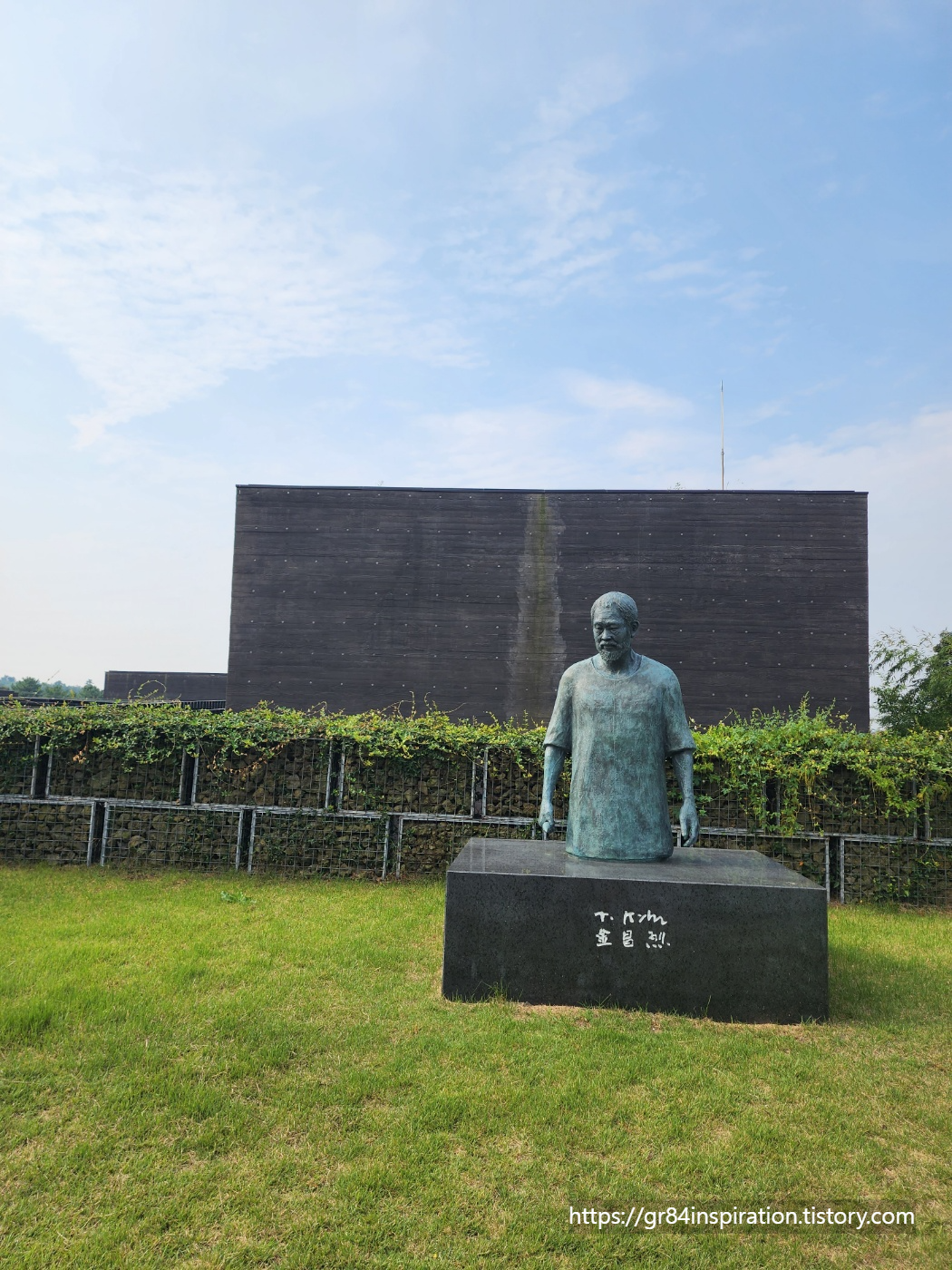
제주 김창열미술관을 방문했을 때는 작품에 깊이 몰입할 수 있었습니다. 건축 구조와 전시 공간의 흐름, 물방울을 연상시키는 분수까지, 그의 예술 세계가 미술관 전체를 통해 확장되는 듯한 경험을 했습니다.
예술적 의미
김창열의 물방울은 보는 이로 하여금 스스로를 돌아보게 합니다. 그는 그림을 통해 고통을 정화하고 존재를 받아들이며, 비워내는 여정을 시각화했습니다.
“나는 사라지기를 원했고, 나를 지우고 싶었다. 그러나 물방울은 나를 다시 그 자리로 데려다 놓았다.” – 김창열
마무리하며
김창열의 예술은 물방울이라는 하나의 형상을 통해 인간 존재의 근원적인 질문을 던집니다. 그의 그림 앞에서 우리는 누구나 잠시 멈춰 서게 됩니다. 맑고 투명한 물방울 속에서, 어쩌면 각자의 고요한 진실을 발견하게 될지도 모릅니다.
여러분은 김창열의 물방울 속에서 무엇을 보셨나요?
+ 참고 소식 : 2025년 8월 22일 ~ 12월 21일, 국립현대미술관에서 김창열 작가의 대규모 개인전이 진행 중 입니다.
김창열의 예술세계를 총체적으로 조명하는 회고전으 물방울을 통해 남긴 그의 예술 세계를 다시 깊이 있게 만날 수 있는 기회가 될 것입니다.
Kim Tschang-Yeul ― The Philosophy of Existence in a Drop of Water
Name: Kim Tschang-Yeul (金昌烈)
Born: 1929, Ma-an, South Pyongan Province
Died: 2021, Jeju, Korea
Education: Withdrew from Seoul National University, College of Fine Arts
Active in: Seoul, New York, Paris
Collections: National Museum of Modern and Contemporary Art (Korea), Centre Pompidou (France), Yokohama Museum of Art (Japan), and other major institutions
Kim Tschang-Yeul, one of the most celebrated figures in Korean modern art, is often referred to as the “water drop painter.” Yet his water drops are not merely visual illusions. They embody layers of pain and healing, meditation and existence, distilled into an artistic practice of remarkable depth.
The Beginning of Water Drops
“The desire to erase became a drop of water.”
In the early 1970s, while living in Paris after leaving New York, Kim was burdened by a profound struggle over his artistic identity and direction. The trauma of the Korean War, the loneliness of being an outsider, and the uncertainties of an artistic career weighed heavily on him.
One day, as he watched ink spreading across water, a thought struck him: “I want to wash everything away. I want to erase it.” At that moment, water drops entered his canvases. Initially experimental, they gradually became symbols of purification, meditation, and survival. What began as an image turned into a lifelong act of self-healing and philosophical inquiry.
Artistic World
The Aesthetics of Water Drops
Kim’s drops, though unreal, appear as vividly tangible as glass beads glistening on the canvas. They serve as a lens through which the boundary between being and non-being is explored.
Repetition and Silence
Throughout his career, Kim painted water drops over and over again. As he once explained, “The act of painting itself was a discipline that calmed me.” For him, painting was less about expression and more about confronting and quieting the self.
Calligraphy and Water Drops
In many works, ancient Chinese characters or textual backgrounds appear beneath the drops. This layering creates a paradoxical effect—simultaneously erasing language while inscribing new meaning and memory upon it.
Personal Impressions
The water drop series has long been familiar through books and online media, often interpreted simply as the artist’s unique identity. However, encountering his works in person was an entirely different experience. The monumental scale of the canvases and the almost palpable drops—so vivid they seemed ready to roll down—left me with a sense that my own thoughts and emotions were being reflected within them.
Each period of Kim’s career revealed subtle differences in the character of his drops, offering fresh perspectives. Moreover, the ambiance of the gallery, the time of day, and even the weather altered the way these drops resonated, giving them an enigmatic quality.
During my visit to the Kim Tschang-Yeul Museum in Jeju, I found myself fully immersed in his artistic universe. The architectural design, the flow of the exhibition spaces, and the presence of fountains evoking his signature motif all contributed to a deeper and more contemplative experience of his work.
The Meaning of His Art
Kim’s water drops invite viewers to turn inward. Through them, he sought to cleanse pain, accept existence, and give visual form to the act of emptying the self.
“I wanted to disappear, to erase myself. Yet the water drop always brought me back to that place.” – Kim Tschang-Yeul
In Closing
Through the singular form of a water drop, Kim Tschang-Yeul posed fundamental questions about human existence. Before his canvases, viewers inevitably pause, caught in the stillness of his imagery. Within the clarity and transparency of each drop, one may discover a quiet truth of their own.
What do you see in Kim Tschang-Yeul’s water drops?
Update: From August 22 to December 21, 2025, the National Museum of Modern and Contemporary Art (MMCA) is presenting a large-scale solo exhibition of Kim Tschang-Yeul. This retrospective offers a comprehensive look at his artistic world, providing audiences with a profound opportunity to once again encounter the depth of his vision through the enduring motif of the water drop.
'about artist' 카테고리의 다른 글
| 데이비드 호크니 David Hockney (0) | 2025.10.19 |
|---|---|
| 조나단 보로프스키 Jonathan Borofsky (0) | 2025.10.15 |
| 김환기 WhanKi Kim (0) | 2025.10.08 |
| 로버트 인디애나 Robert Indiana (0) | 2025.10.03 |
| 서도호 (Do Ho Suh) (0) | 2025.09.27 |