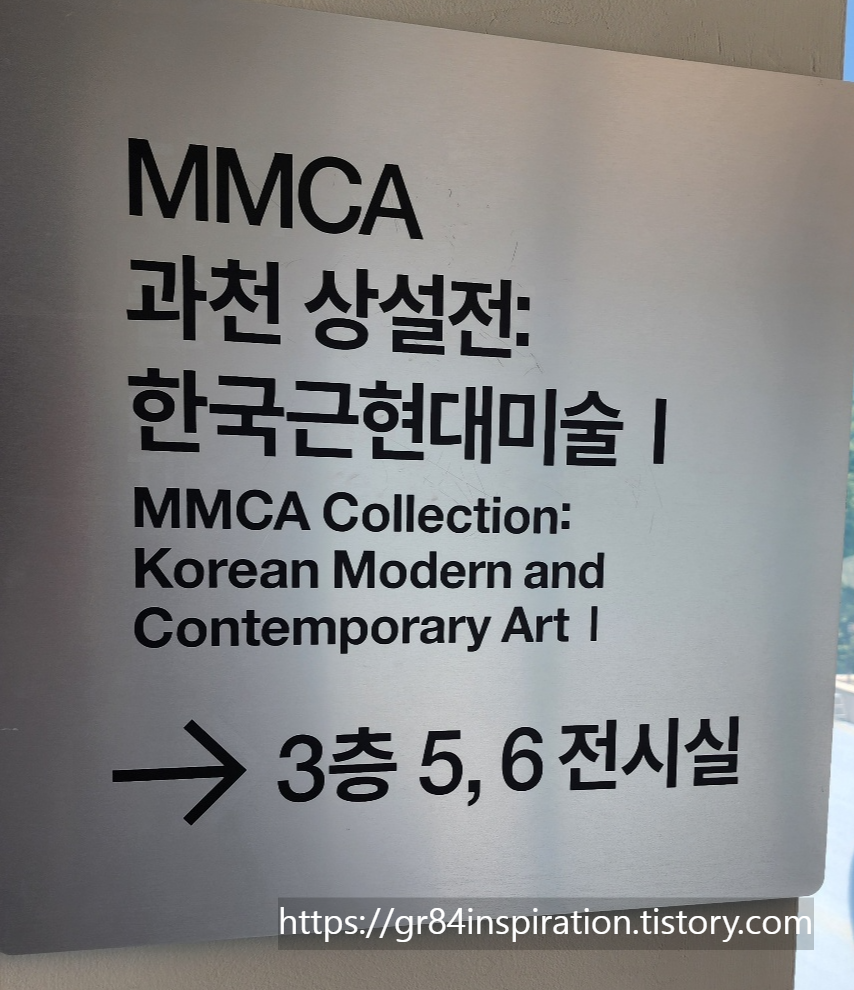
《한국근현대미술 Ⅰ》 국립현대미술관 과천
전시 정보
- 기간: 2025.05.01 ~ 2027.06.27
- 장소: 국립현대미술관 과천 3층, 5·6전시실
- 관람료: 과천 전시관람권 3,000원
작가의 시대를 통과하는 시선
서울관이 동시대적인 감각에 집중한다면, 과천 국립현대미술관은 시간의 흐름에 따라 한국 미술을 조망할 수 있도록 구성되어 있습니다.
3층 전시실에서 열리고 있는 《한국근현대미술 Ⅰ》은 1900~ 1960년도 20세기 전반, 격변의 시대를 살아낸 예술가들의 흔적을 145점의 작품으로 보여줍니다. 전시장에 들어서며 느낀 첫인상은, 단순히 작품을 나열하는 방식이 아니라 시대별로 예술가들의 고민과 시선을 함께 따라가도록 구성되어 있다는 점이었습니다. 덕분에 전시를 보는 내내 ‘당시의 화가라면 나는 어떤 그림을 그릴 수 있었을까?’라는 질문을 자연스럽게 떠올리게 되었습니다.
전시 구성
- 새로운 시선의 등장
광학, 카메라, 근대적 지식체계가 들어오며 미술은 큰 변화를 맞이했습니다. 사진술과 원근법, 구도 개념은 전통 회화에 새로운 질문을 던졌습니다. 여성에게도 예술 교육의 문이 열리기 시작한 시기였습니다.
→ 직접 보니, ‘전통을 지키면서도 새로운 매체를 받아들여야 했던’ 예술가들의 긴장감이 작품마다 묻어 있었습니다. - 근대 서화의 모색
도화서 폐지 이후에도 전통 서화를 지키려는 노력이 이어졌습니다. 혼란 속에서도 동양과 서양, 전통과 근대 사이의 균형을 찾으려는 고민이 작품에 담겼습니다. - 미술/미술가 개념의 등장
‘화가’라는 개념이 막 생겨나던 시절, 이름을 내걸고 표현을 시도한 이들의 용기가 인상적입니다. 나혜석의 작품 〈화랑전작약〉이 특히 눈에 들어왔습니다. - 오지호
나혜석의 전시를 보고 미술의 길을 꿈꾸게 된 오지호. 그의 대표작 〈남향집〉은 익숙하면서도 작가 간의 영향과 교류를 잘 보여줍니다. - 조선의 삶을 그리다
1930~40년대 조선미술전람회 수상작을 중심으로, 일상과 인물을 담은 그림들이 소개됩니다. 무거운 시대 속에서도 따뜻한 삶의 흔적을 전합니다. - 동행: 박래현과 김기창
부부이자 동료였던 두 작가. 박래현의 〈여인〉은 세련된 분위기로 지금 보아도 현대적 감각을 줍니다. 서로의 영향을 주고받으며 인물에서 추상으로 나아간 여정이 흥미롭습니다.
→ 이 공간에서는 특히 ‘화가로서의 개인적 여정과 가족으로서의 삶이 교차하는 지점’이 강하게 다가왔습니다. 작품을 보는 동시에 그들의 일상까지 상상하게 되었던 시간이었습니다. - 폐허 위에서: 한국전쟁과 조형실험
전쟁의 비극은 그림의 언어마저 바꾸었습니다. 파편화된 구조와 침묵이 화면을 채웠지만, 그 속에서도 실험을 이어간 집념이 느껴집니다. - 가족을 그리며
전쟁 이후, 작가들은 가족이라는 가까운 주제를 다루었습니다. 조각과 회화 속 표정들은 말보다 더 많은 이야기를 담고 있습니다. - 이중섭
전시의 마지막은 이중섭으로 마무리됩니다. 그림뿐 아니라 아내에게 보낸 편지에서 그의 깊은 사랑과 예술적 감성이 전해졌습니다.
→ 이 섹션을 지나며, 작품을 감상하는 제 마음도 따뜻해졌습니다. 단순히 ‘예술가의 고통과 천재성’이라는 이미지가 아니라, 인간으로서의 사랑과 그리움이 먼저 다가온 순간이었습니다

이런 분께 추천합니다
- 한국 근현대사 속 미술의 역할이 궁금하신 분
- 나혜석, 오지호, 박래현, 이중섭 등 대표 작가들의 작품을 직접 만나고 싶은 분
- 조용히 시대의 결을 느끼며 관람하고 싶은 분
한 줄 요약
질문이 많았던 시대, 그 질문을 끝까지 안고 간 예술가들의 흔적
마무리하며
이번 전시는 단순히 작품 감상을 넘어, 한국 근현대사의 굴곡을 예술가의 시선으로 따라가 볼 수 있는 기회였습니다. 개인적으로는 시대별 전시실을 이동하면서 ‘예술이 어떻게 사람들의 삶을 담아낼 수 있는가’를 다시금 생각해보게 되었습니다.
여러분은 한국 미술에서 가장 인상 깊게 남은 작가나 작품이 있으신가요?

Korean Modern and Contemporary Art Ⅰ at MMCA Gwacheon
Exhibition Information
- Period: May 1, 2025 – June 27, 2027
- Venue: MMCA Gwacheon, 3rd Floor, Galleries 5 & 6
- Admission: Gwacheon Exhibition Ticket – 3,000 KRW
Artists’ Perspectives Through a Time of Change
While MMCA Seoul focuses on contemporary sensibilities, MMCA Gwacheon offers a broader view of Korean art through the lens of history.
Currently on view at the 3rd floor galleries, Korean Modern and Contemporary Art Ⅰ presents 145 works created between 1900 and the 1960s, a time when Korean artists endured and responded to turbulent historical shifts.
My first impression upon entering the exhibition was that it is not just a chronological display of works, but a journey that follows each artist’s perspective within their historical context. Walking through the galleries, I found myself asking, “If I were a painter living in that era, what would I have painted?”
Exhibition Highlights
1. The Emergence of New Perspectives
With the introduction of optics, photography, and modern systems of knowledge, art underwent dramatic change. Concepts like perspective and composition challenged traditional painting, and for the first time, women were given access to formal art education.
→ Seeing the works up close, I could feel the tension artists faced as they struggled to preserve tradition while embracing new media.
2. Seeking a Modern Identity in Traditional Painting
Even after the closure of the royal art academy, efforts continued to preserve traditional ink painting. Amid turmoil, artists sought a delicate balance between East and West, tradition and modernity.
3. The Emergence of “the Artist”
It was the era when the very notion of the “artist” was taking shape. Those who dared to put their names forward and pursue self-expression left a strong impression. Among them, Na Hye-seok’s Peonies in a Gallery stood out.
4. Oh Ji-ho
Inspired by Na Hye-seok, Oh Ji-ho devoted himself to art. His representative work South-facing House reflects both familiarity and the dynamics of artistic influence and exchange.
5. Depicting Korean Life
Centered on prize-winning works from the 1930s–40s Chosun Art Exhibitions, these paintings capture everyday life and people. Even within the weight of history, warm traces of daily existence shine through.
6. In Tandem: Park Rae-hyun and Kim Ki-chang
A married couple and fellow artists, they developed distinctive yet intertwined styles. Park Rae-hyun’s Woman still feels remarkably modern in its elegance. Their journey from figurative to abstract art reveals the dialogue between personal and creative lives.
→ Standing in this section, I felt the powerful intersection of artistic pursuit and family life. The works made me imagine not only their careers but also the intimate moments behind them.
7. In the Ruins: The Korean War and Artistic Experimentation
The devastation of war altered even the visual language of painting. Fragmented forms and silence filled the canvases, yet a persistent drive for experimentation remained.
8. Depicting Family
After the war, family became a central theme. Sculptures and paintings alike conveyed emotions that words could hardly capture.
9. Lee Jung-seop
The exhibition concludes with Lee Jung-seop. Alongside his paintings, the letters he wrote to his wife reveal profound love and artistic sensitivity.
→ This final section left me with warmth rather than tragedy. What struck me most was not the myth of the “tormented genius,” but the enduring humanity—love, longing, and devotion—that infused his art.
Recommended For
- Those curious about the role of art in Korea’s modern history
- Viewers who wish to see works by Na Hye-seok, Oh Ji-ho, Park Rae-hyun, and Lee Jung-seop up close
- Anyone who wants to experience the flow of history quietly, through art
One-line Summary
A generation of artists who carried their questions through an age of upheaval.
Reflections
This exhibition was more than a collection of artworks; it was a journey through Korea’s modern history, guided by the eyes of its artists. Moving through each gallery, I found myself reflecting on how art can carry the weight of human lives and the resilience of spirit.
Which artist or work in Korean modern art has left the strongest impression on you?
'about exhibition' 카테고리의 다른 글
| 김수자, 호흡 @ 선혜원 (0) | 2025.11.10 |
|---|---|
| 워너 브롱크호스트 THE WHOLE WORLD'S A CANVAS @ 그라운드 시소 서촌 (0) | 2025.10.19 |
| MMCA 과천 상설전 한국근현대미술 Ⅱ _ MMCA collection : Korean Modern an Contemporary art Ⅱ (0) | 2025.10.13 |
| 안도 타다오 × 안토니 곰리: Drawing on Space / Ground (0) | 2025.10.04 |
| 김창열 회고전 @ MMCA 서울 (0) | 2025.10.01 |